Chain Link Fence Frequently Asked Questions
Written by Craig B

Best Materials For Fences

There are many different types of fence materials available, each with its own advantages and disadvantages. Some of the best fence materials include:

  • Wood: Wood is a classic and versatile material that can be used for a variety of fence styles. It is also relatively affordable and easy to install. However, wood fences require regular maintenance to prevent rot and decay.
    Wood fence
  • Vinyl: Vinyl fences are a low-maintenance alternative to wood fences. They are resistant to rot, pests, and fading, and they come in a variety of colors and styles. Vinyl fences are more expensive than wood fences, but they may save you money in the long run on maintenance costs.
    Vinyl fence
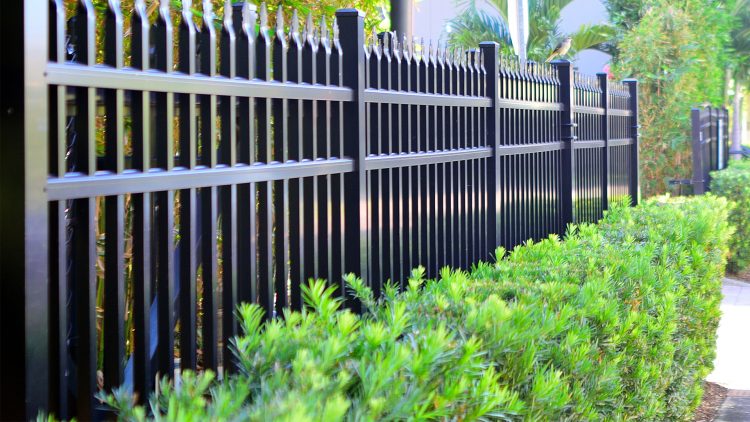
  • Aluminum: Aluminum fences are another low-maintenance option. They are lightweight, strong, and durable, and they do not require painting or staining. Aluminum fences are more expensive than wood or vinyl fences, but they are a good choice for areas with extreme weather conditions.
    Aluminum fence
  • Composite: Composite fences are made from a combination of wood and plastic, which makes them more durable than wood fences and less likely to fade than vinyl fences. Composite fences are also relatively easy to install and maintain.
    Composite fence
  • Wrought iron: Wrought iron fences are a beautiful and elegant option. They are very strong and durable, and they can last for centuries. However, wrought iron fences are also very expensive.
    Wrought iron fence

The best fence material for you will depend on your budget, your needs, and your personal preferences. Consider the following factors when making your decision:

  • Durability: How long do you want your fence to last?
  • Maintenance: How much time are you willing to spend maintaining your fence?
  • Aesthetics: What style of fence do you want?
  • Budget: How much are you willing to spend on your fence?

Once you have considered these factors, you can start narrowing down your choices and find the best fence material for your needs.

Residential and Commercial Fencing Mesa | Construction – Special Events – 24 Hour Emergency Fencing Phoenix

Chain Link Fence Frequently Asked Questions
Written by Craig B

What Is The Best Emergency Fencing?

Emergency fencing provides a quick and temporary barrier solution for various needs, such as construction sites, event management, or disaster response. Here are some of the best options for emergency fencing:

  1. Temporary Chain-Link Fencing:

    • Pros: Sturdy, reusable, provides good security.
    • Cons: Heavier and more challenging to set up compared to other temporary options.
    • Uses: Construction sites, public events, and areas requiring high security.
  2. Plastic Mesh Fencing:

    • Pros: Lightweight, easy to transport and install, cost-effective.
    • Cons: Less durable, not as secure as metal fencing.
    • Uses: Crowd control, marking boundaries, light-duty protection.
  3. Metal Panel Fencing:

    • Pros: Robust, provides high security, quick to deploy.
    • Cons: More expensive, heavier.
    • Uses: High-security requirements, construction sites, and disaster zones.
  4. Snow Fencing:

    • Pros: Easy to install, effective for controlling snow drifts or sand.
    • Cons: Specific to certain weather conditions, not very secure.
    • Uses: Winter road safety, controlling sand drifts in desert areas.
  5. Event Fencing (Barricades):

    • Pros: Designed for crowd control, easy to set up and dismantle.
    • Cons: Limited height, not suitable for security needs.
    • Uses: Concerts, festivals, public events.
  6. Plastic Jersey Barriers:

    • Pros: Highly visible, can be filled with water or sand for added stability.
    • Cons: Heavy when filled, limited in height.
    • Uses: Traffic control, creating safe pedestrian zones.

When choosing the best emergency fencing, consider factors such as the specific use case, the required level of security, ease of installation, and budget. For instance, temporary chain-link fencing might be best for a construction site needing robust security, while plastic mesh fencing might suffice for a temporary event boundary.

[/vc_column_text][/vc_column][/vc_row]

Residential and Commercial Fencing Mesa | Construction – Special Events – 24 Hour Emergency Fencing Phoenix

Does Pine Make Good Fencing Material?
Written by Craig B

Does Pine Make Good Fencing Material?

Pine can be a good material for fencing, but it has some characteristics to consider:

Advantages of Pine for Fencing:

  1. Cost-Effective: Pine is generally less expensive than other types of wood like cedar or redwood, making it a budget-friendly option.
  2. Availability: Pine is widely available, making it easy to source and find materials for your fence.
  3. Ease of Use: Pine is relatively easy to work with, cut, and install, which can simplify the construction process.
  4. Aesthetic: Pine has a natural, clean look that can be appealing, and it can be stained or painted to achieve the desired appearance.
  5. Treatability: Pine can be treated with preservatives to enhance its durability and resistance to insects and decay.

Considerations for Pine Fencing:

  1. Durability: Pine is softer and less dense than some other woods, which means it may be more susceptible to dents, scratches, and damage. Untreated pine can also be prone to rotting and decay if exposed to moisture.
  2. Maintenance: Pine fences generally require regular maintenance, including staining or painting, to protect against weathering and insect damage. Without proper treatment, pine can weather and deteriorate more quickly.
  3. Insect Resistance: Pine is not naturally resistant to pests like termites. Treatment with a wood preservative can help, but it’s something to consider when choosing pine for your fence.
  4. Weathering: Pine can be affected by the elements, leading to warping, cracking, or splitting over time if not properly maintained and protected.

Tips for Using Pine for Fencing:

  1. Treatment: Choose pressure-treated pine for better durability and resistance to moisture and pests. Ensure the treatment is suitable for outdoor use.
  2. Sealing and Staining: Regularly apply sealant or stain to protect the wood from weathering and extend its lifespan. Reapply as needed based on weather conditions and wear.
  3. Proper Installation: Ensure the fence is installed properly with good drainage to minimize contact with soil and moisture, which can help prevent rot.
  4. Inspect Regularly: Regularly inspect the fence for signs of wear, damage, or insect activity, and perform maintenance as needed.

Overall, while pine can be a good choice for fencing due to its affordability and availability, it does require attention to maintenance and proper treatment to ensure it performs well and lasts. If you’re looking for a more durable and low-maintenance option, you might consider other types of wood or materials like cedar, redwood, or composite fencing.

Residential and Commercial Fencing Mesa | Construction – Special Events – 24 Hour Emergency Fencing Phoenix

Does Pine Make Good Fencing Material?
Written by Craig B

What Wood and Metal Makes The Best Fences?

Choosing the best metal for a fence depends on various factors such as durability, aesthetics, maintenance, and budget. Here are some common metals used for fences and their characteristics:

1. Wrought Iron

  • Durability: Highly durable and strong, can last for decades with proper maintenance.
  • Aesthetics: Offers a classic and elegant look with intricate designs.
  • Maintenance: Requires regular painting or coating to prevent rust and corrosion.
  • Cost: Generally more expensive due to the craftsmanship involved.

2. Steel

  • Durability: Extremely strong and durable, resistant to impact and weather conditions.
  • Aesthetics: Can be made into various styles, from simple to ornate.
  • Maintenance: Needs galvanization or powder coating to prevent rust; minimal maintenance afterward.
  • Cost: Moderately priced, more affordable than wrought iron but more expensive than aluminum.

3. Aluminum

  • Durability: Lightweight but durable, resistant to rust and corrosion, ideal for coastal areas.
  • Aesthetics: Available in various styles and finishes, can mimic the look of wrought iron.
  • Maintenance: Low maintenance, does not rust, occasional cleaning is sufficient.
  • Cost: Generally more affordable than wrought iron and steel.

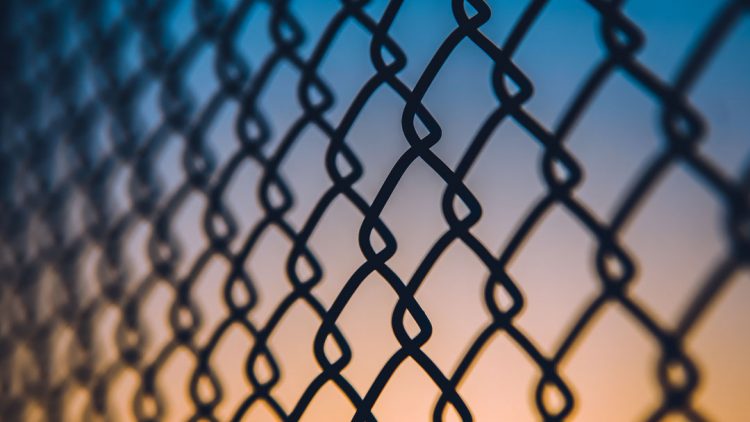
4. Chain Link (Galvanized Steel)

  • Durability: Very durable, especially when galvanized to prevent rust.
  • Aesthetics: More utilitarian in appearance, but can be coated in different colors to blend with surroundings.
  • Maintenance: Low maintenance, occasional cleaning to remove dirt and debris.
  • Cost: Cost-effective, one of the most affordable metal fencing options.

5. Stainless Steel

  • Durability: Extremely strong and resistant to rust and corrosion.
  • Aesthetics: Offers a sleek, modern look, often used for contemporary designs.
  • Maintenance: Low maintenance, requires occasional cleaning to maintain shine.
  • Cost: More expensive than galvanized steel and aluminum due to its superior properties.

Comparison and Considerations

  • Durability: If maximum strength and longevity are priorities, steel and wrought iron are excellent choices.
  • Low Maintenance: For minimal upkeep, aluminum and stainless steel are the best options.
  • Aesthetic Appeal: For decorative and ornate designs, wrought iron offers unparalleled elegance, while aluminum provides versatile styles with lower maintenance.
  • Cost-Effective: For budget-friendly fencing, chain link and galvanized steel are economical choices.

Summary

  • Wrought Iron: Best for elegance and traditional styles, but requires maintenance.
  • Steel: Best for strength and durability, with a moderate level of maintenance.
  • Aluminum: Best for low maintenance and resistance to rust, with versatile design options.
  • Chain Link: Best for affordability and utility, with low maintenance.
  • Stainless Steel: Best for modern aesthetics and corrosion resistance, with low maintenance but higher cost.

The best metal for your fence will depend on your specific needs, preferences, and budget.

Here are some of the best wood fences:

  • Redwood: Redwood is a popular choice for wood fences because it is naturally rot-resistant and insect-resistant. It is also a beautiful wood with a reddish-brown color.
    Redwood wood fence
  • Cedar: Cedar is another good choice for wood fences. It is also naturally rot-resistant and insect-resistant, and it has a pleasant cedar scent.
    Cedar wood fence
  • Douglas fir: Douglas fir is a strong and durable wood that is well-suited for outdoor use. It is also relatively inexpensive, making it a good option for budget-minded homeowners.
    Douglas fir wood fence
  • Pressure-treated wood: Pressure-treated wood is a type of wood that has been treated with chemicals to make it more rot-resistant and insect-resistant. It is a good option for areas with wet or humid climates.
    Pressure-treated wood fence
  • Cypress: Cypress is a type of wood that is naturally resistant to rot and insects. It is also a good choice for fences in areas with wet or humid climates.
    Cypress wood fence

When choosing a wood fence, it is important to consider the climate in your area, your budget, and your personal preferences. Some factors to consider include:

  • Durability: How long do you want your fence to last? Some woods, such as redwood and cedar, are naturally more durable than others.
  • Cost: Wood fences can range in price from a few hundred dollars to several thousand dollars. Consider your budget when making your decision.
  • Appearance: What type of wood do you like the look of? Some woods, such as redwood and cedar, have a natural beauty that others do not.
  • Maintenance: How much maintenance are you willing to do? Wood fences need to be stained or painted every few years to protect them from the elements.

Once you have considered these factors, you can start shopping for the best wood fence for your home.

Residential and Commercial Fencing Mesa | Construction – Special Events – 24 Hour Emergency Fencing Phoenix

Chain Link Fence Frequently Asked Questions
Written by Craig B

Fashionable Fence Options

Creating a stylish and functional fence can enhance your property’s curb appeal and provide privacy and security. Here are some fashionable fence options to consider:

1. Horizontal Slat Fences

  • Materials: Wood, metal, or composite.
  • Design: Horizontal slats provide a modern and sleek look. They can be spaced closely for privacy or with gaps for a more open feel.
  • Customization: Paint or stain to match your home’s exterior.

2. Vertical Slat Fences

  • Materials: Wood, vinyl, or metal.
  • Design: Traditional vertical slats with contemporary finishes or unique patterns.
  • Customization: Can be customized with varying slat widths and decorative tops.

3. Mixed Material Fences

  • Materials: Combination of wood, metal, glass, or stone.
  • Design: Blend different materials for a unique, modern look. For example, wood with metal accents or glass panels with stone bases.
  • Customization: Endless combinations to suit your style and home architecture.

4. Wrought Iron Fences

  • Materials: Iron.
  • Design: Elegant and timeless with intricate designs and patterns.
  • Customization: Paint in various colors; can be combined with brick or stone pillars.

5. Bamboo Fences

  • Materials: Bamboo.
  • Design: Natural and eco-friendly option, providing a tropical or zen feel.
  • Customization: Can be installed in panels or rolled fencing; stained for different shades.

6. Gabion Walls

  • Materials: Wire cages filled with stones or other materials.
  • Design: Industrial and modern, often used as retaining walls but also as fences.
  • Customization: Fill with different materials for varied looks; combine with wood or metal elements.

7. Living Fences

  • Materials: Plants and shrubs.
  • Design: Create a green, living fence with hedges, shrubs, or climbing plants on trellises.
  • Customization: Choose plants that fit your climate and maintenance preferences.

8. Composite Fences

  • Materials: Composite materials (a mix of wood fibers and plastic).
  • Design: Resembles wood but with greater durability and less maintenance.
  • Customization: Available in various colors and styles, can mimic wood grain.

9. Laser-Cut Metal Panels

  • Materials: Metal.
  • Design: Panels with intricate, laser-cut designs for a unique, artistic look.
  • Customization: Custom designs or patterns to reflect personal taste.

10. Glass Fences

  • Materials: Tempered glass.
  • Design: Provides a clear view and a modern, minimalistic look; often used around pools or patios.
  • Customization: Frosted or tinted glass for added privacy.

11. Rustic Wood Fences

  • Materials: Reclaimed or treated wood.
  • Design: Gives a rustic, natural look that blends well with natural surroundings.
  • Customization: Can be left natural or painted/stained for different effects.

12. Vinyl Fences

  • Materials: Vinyl.
  • Design: Versatile and low maintenance; available in many styles including picket, privacy, and semi-privacy designs.
  • Customization: Wide range of colors and textures, some mimicking wood.

When choosing a fence, consider the architectural style of your home, the level of privacy you desire, and the maintenance required for different materials. Combining aesthetics with functionality will ensure your fence not only looks great but also serves its intended purpose effectively.

Residential and Commercial Fencing Mesa | Construction – Special Events – 24 Hour Emergency Fencing Phoenix

Chain Link Fence Frequently Asked Questions
Written by Craig B

Chain Link Fences Costs 2024

Chain link fences are a popular and cost-effective choice for both residential and commercial properties due to their durability, low maintenance, and versatility. When considering the costs of installing a chain link fence, several factors come into play, including material quality, fence height, length, and any additional features such as gates or privacy slats. Here is a breakdown of the costs associated with chain link fences in 2024.

Factors Influencing Chain Link Fence Costs

  1. Material Quality:
    • Galvanized Steel: This is the most common and affordable option. It is durable and resistant to rust and corrosion.
    • Vinyl-Coated: A more expensive option, vinyl-coated fences provide additional protection against the elements and come in various colors.
  2. Fence Height:
    • Common heights for residential fences range from 4 to 6 feet, while commercial fences can be 8 feet or higher.
  3. Length of Fence:
    • The total cost will largely depend on the length of the fence needed. Fences are typically priced per linear foot.
  4. Additional Features:
    • Gates: The cost of gates varies based on size and type (swing or sliding).
    • Privacy Slats: Adding privacy slats can increase the cost but provides additional privacy.
    • Barbed Wire: Often used for security purposes in commercial settings, adding barbed wire will increase costs.

Cost Breakdown

  1. Materials:
    • Galvanized Steel: $5 – $15 per linear foot
    • Vinyl-Coated: $10 – $20 per linear foot
  2. Labor:
    • Professional Installation: $10 – $20 per linear foot
    • The total installation cost includes site preparation, post setting, and the installation of the chain link mesh.
  3. Gates:
    • Standard Walk-Through Gate (4 feet wide): $100 – $400
    • Driveway Gate (10 feet wide): $300 – $800
  4. Additional Features:
    • Privacy Slats: $3 – $6 per linear foot
    • Barbed Wire: $1 – $3 per linear foot

Example Costs for Common Scenarios

  1. Residential Fence (100 linear feet, 4 feet high, galvanized steel):
    • Material: 100 feet x $5 = $500
    • Labor: 100 feet x $15 = $1,500
    • Total Cost: $2,000
  2. Residential Fence (150 linear feet, 6 feet high, vinyl-coated, with a gate):
    • Material: 150 feet x $15 = $2,250
    • Labor: 150 feet x $15 = $2,250
    • Gate: $300
    • Total Cost: $4,800
  3. Commercial Fence (200 linear feet, 8 feet high, galvanized steel, with privacy slats and barbed wire):
    • Material: 200 feet x $10 = $2,000
    • Labor: 200 feet x $20 = $4,000
    • Privacy Slats: 200 feet x $5 = $1,000
    • Barbed Wire: 200 feet x $2 = $400
    • Total Cost: $7,400

Additional Considerations

  • Permits and Regulations: Depending on your location, you may need to obtain permits for fence installation. Check local zoning laws and HOA regulations.
  • Terrain and Soil Conditions: Difficult terrain or rocky soil can increase labor costs.
  • Maintenance: While chain link fences are low-maintenance, periodic inspections and minor repairs may be necessary to ensure longevity.

Conclusion

The cost of installing a chain link fence varies based on several factors, including material quality, fence height, length, and additional features. On average, homeowners can expect to pay between $10 and $35 per linear foot for a professionally installed chain link fence. By considering these factors and obtaining multiple quotes from reputable contractors, you can ensure you get the best value for your investment.

Residential and Commercial Fencing Mesa | Construction – Special Events – 24 Hour Emergency Fencing Phoenix

Chain Link Fence Frequently Asked Questions
Written by Craig B

Swimming Pool Fence Costs 2024

The cost of a swimming pool fence can vary depending on several factors such as the material used, the height and length of the fence, any additional features or customization, and the geographic location. As of 2024, here’s a general overview of the potential costs associated with different types of swimming pool fences.

  1. Mesh Pool Fence: Mesh pool fences are popular due to their transparency, durability, and safety features. The cost typically ranges from $1,500 to $3,500 for a standard-size pool enclosure. Additional features such as self-closing gates or locking mechanisms may increase the cost.
  2. Aluminum Pool Fence: Aluminum pool fences are known for their strength, low maintenance, and aesthetic appeal. The cost can vary depending on the style and design but generally ranges from $2,000 to $5,000 for a standard-size pool area.
  3. Wrought Iron Pool Fence: Wrought iron fences offer durability, security, and a classic look. However, they tend to be more expensive due to the material and craftsmanship involved. The cost typically ranges from $3,000 to $8,000 or more for a standard-size pool enclosure.
  4. Glass Pool Fence: Glass pool fences provide an elegant and unobstructed view of the pool area. They are among the most expensive options due to the cost of materials and installation. The cost can range from $5,000 to $15,000 or more for a standard-size pool enclosure.
  5. Wood Pool Fence: Wood fences offer a natural and customizable option for pool enclosures. The cost varies depending on the type of wood used, but it generally ranges from $2,000 to $6,000 for a standard-size pool area.
  6. Vinyl Pool Fence: Vinyl fences are low maintenance and come in a variety of styles and colors. The cost typically ranges from $2,500 to $5,000 for a standard-size pool enclosure.

It’s important to note that these are rough estimates, and actual costs may vary based on factors such as local labor rates, permit requirements, site preparation, and any additional features or customization options. Additionally, it’s crucial to choose a reputable contractor with experience in installing swimming pool fences to ensure compliance with safety regulations and standards.

What Are the Advantages of Having a Pool Fence?

Pool fencing is a necessary home improvement project that can save lives. Another benefit is that you will be compliant with local building codes, which will shield you from liability if someone is injured in the pool later. Pool safety fences increase the resale value of your house since many homebuyers, especially those with children, want to see that safety protections are in place.

Must I Have A Pool Fence?

Whether you’re legally required to have a pool fence depends on local regulations and safety codes. However, having a pool fence is highly recommended for safety reasons, especially if you have children, pets, or visitors who may not be aware of the potential dangers associated with swimming pools.

Here are a few reasons why having a pool fence is important:

  1. Safety: A pool fence acts as a barrier to prevent unauthorized access to the pool area, reducing the risk of accidental drownings, especially for young children or non-swimmers.
  2. Legal requirements: Many jurisdictions have laws and regulations that mandate the installation of pool fences or other safety measures to prevent accidents and ensure compliance with safety standards. Failure to comply with these regulations may result in fines or penalties.
  3. Liability: Without a pool fence, you may be held liable for any accidents or injuries that occur on your property, particularly if they involve children or guests.
  4. Peace of mind: Installing a pool fence provides peace of mind knowing that your pool area is secure and safe, even when you’re not actively supervising it.

Even if you live in an area where pool fences are not legally required, it’s still a wise investment to ensure the safety of your family, friends, and neighbors. Additionally, consider other safety measures such as pool alarms, safety covers, and supervision guidelines to further enhance pool safety.

Residential and Commercial Fencing Mesa | Construction – Special Events – 24 Hour Emergency Fencing Phoenix

What Are The Cheapest Fences To Repair and Replace In Arizona?
Written by Craig B

Fence Repair Costs 2024

The cost of fence repair in  Arizona can vary depending on several factors, but here’s a general idea:

Average cost: $400 to $1,200

Factors affecting the cost:

  • Type of fence: Different materials like wood, vinyl, metal, or block fences have varying repair costs. Wood repairs are generally cheaper than metal or wrought iron repairs.
  • Extent of damage: Minor repairs like replacing a single picket or board are less expensive than extensive repairs like fixing a large section of damaged fence or replacing a post.
  • Labor costs: Labor rates can differ depending on the contractor, their experience, and the complexity of the repair.
  • Material costs: The cost of materials needed for the repair will also affect the overall cost.

Here’s a breakdown of approximate costs for some common fence repairs:

  • Replacing a single picket/board: $25 to $75
  • Fixing a post: $100 to $300
  • Repairing a section of fence: $200 to $800 per linear foot
  • Replacing a gate: $300 to $1,500

Additional tips:

  • Get multiple estimates: Before hiring a professional, get estimates from several qualified fence repair companies in Scottsdale to compare prices and services.
  • Ask about warranties: Make sure the company offers a warranty on their work.
  • Consider DIY for minor repairs: For minor repairs like replacing a single picket or board, you might be able to tackle it yourself, especially if your fence is made of wood and the damage is straightforward. However, for most repairs, especially those involving complex materials or extensive damage, it’s recommended to hire a professional to ensure the job is done correctly and safely.

Remember, these are just general costs, and the actual cost for your specific fence repair project will depend on the factors mentioned above. It’s always best to consult with local fence repair professionals in Arizona to get accurate estimates for your specific needs.

Cost of Fence Repair per Foot

The cost of fence repair per foot in Arizona can vary depending on several factors, but here’s a general range:

  • $10 to $50 per linear foot is the typical range for basic repairs to common fence materials like wood or vinyl.

However, it’s important to remember that this is just an estimate, and the actual cost can be influenced by several factors:

  • Type of fence: Different materials like metal, wrought iron, or block fences generally have higher repair costs per foot compared to wood or vinyl.
  • Extent of damage: Minor repairs like replacing a single picket or board will be significantly cheaper than extensive repairs like fixing a large section of damaged fence or replacing a post.
  • Labor costs: Labor rates can differ depending on the contractor, their experience, and the complexity of the repair.
  • Material costs: The cost of materials needed for the repair will also affect the overall cost per foot.

Here are some additional points to consider:

  • Minimum service call fees: Many fence repair companies have minimum service call fees, so even minor repairs might incur this fee regardless of the total linear footage being repaired.
  • Specific repair types: Some repairs, like replacing a gate or fixing a leaning fence, might have different pricing structures and not be directly tied to a per-foot cost.

Therefore, while the $10 to $50 per linear foot range provides a starting point, it’s crucial to obtain quotes from qualified fence repair companies in Scottsdale for an accurate estimate based on your specific fence, the extent of the damage, and current local rates.

Cost of Vinyl Fence Repair

The cost of vinyl fence repair in Arizona generally falls within the range of $150 to $400 per panel, with an average cost of around $250 per panel. However, it’s important to remember that this is just an estimate, and the actual cost can vary depending on several factors:

  • Extent of damage: Minor repairs like patching up a small crack or replacing a single board are less expensive than extensive repairs like fixing a large section of damaged fence or replacing a post.
  • Size of the panel: Larger vinyl fence panels typically cost more to repair than smaller ones.
  • Labor costs: Labor rates can differ depending on the contractor, their experience, and the complexity of the repair.
  • Material costs: The cost of materials needed for the repair can also vary, depending on the specific type and quality of vinyl used.

Here’s a breakdown of some common vinyl fence repairs and their approximate costs:

  • Patching a small crack: $25 to $50
  • Replacing a single board: $75 to $150
  • Repairing a section of fence: $100 to $300 per linear foot (panels typically range from 6 to 8 feet)
  • Replacing a post: $150 to $300

Aluminum Fence Repair Cost

The cost of repairing an aluminum fence in Arizona, typically falls within the range of $250 to $800, with an average cost of around $450.

Here’s a breakdown of the factors influencing the cost:

Extent of Damage:

  • Minor repairs: Fixing minor issues like dents, scratches, or loose panels typically cost $150 to $300. This might involve patching, tightening, or re-aligning components.
  • Moderate repairs: Replacing a single panel, repairing a gate, or addressing minor structural issues can range from $300 to $500.
  • Major repairs: Extensive damage like a large section of collapsed fence, broken posts, or complex structural issues can cost $500 to $800 or more. This might involve replacing multiple panels, reinforcing posts, or even sections of the fence line.

Additional Factors:

  • Labor costs: Rates can vary depending on the contractor’s experience, company overhead, and the job’s complexity.
  • Material costs: The specific type and quality of aluminum used can influence the cost, with higher-grade materials typically costing more.
  • Minimum service call fees: Some companies have minimum fees, which might apply even for minor repairs.

Cost of Steel Fence Repair

The cost of repairing a steel fence in Arizona, generally falls within the range of $250 to $850, with an average cost of around $500. Here’s a breakdown of the factors influencing the cost:

Extent of Damage:

  • Minor repairs: Fixing minor issues like dents, scratches, or loose panels typically cost $150 to $300. This might involve welding, patching, tightening, or re-aligning components.
  • Moderate repairs: Replacing a single panel, repairing a gate, or addressing minor structural issues can range from $300 to $500.
  • Major repairs: Extensive damage like a large section of collapsed fence, broken posts, or complex structural issues can cost $500 to $850 or more. This might involve replacing multiple panels, reinforcing posts, or even sections of the fence line.

Cost of Chain Link Fence Repair

The cost of repairing a chain link fence in  Arizona typically falls within the range of $100 to $500, with an average cost of around $250. Here’s a breakdown of the factors influencing the cost:

Extent of Damage:

  • Minor repairs: Fixing minor issues like replacing a few damaged links, tightening loose wires, or reattaching a gate latch typically cost $50 to $150.
  • Moderate repairs: Replacing a larger section of damaged fence, repairing a post, or re-tensioning the entire fence line can range from $150 to $300.
  • Major repairs: Extensive damage like a large section of collapsed fence, leaning posts, or broken welds can cost $300 to $500 or more. This might involve replacing multiple panels, reinforcing multiple posts, or even sections of the fence line.

Price of Iron Fence Repair

he cost of repairing an iron fence in Arizona, generally falls within the range of $300 to $1,000, with an average cost of around $550. Here’s a breakdown of the factors influencing the cost:

Extent of Damage:

  • Minor repairs: Fixing minor issues like loose or bent pickets, small cracks, or reattaching decorative elements typically cost $150 to $300. This might involve tightening, straightening, welding, or reattaching components.
  • Moderate repairs: Replacing a single panel, repairing a gate, or addressing minor structural issues can range from $300 to $500.
  • Major repairs: Extensive damage like a large section of collapsed fence, broken posts, or complex structural issues can cost $1,000 or more. This might involve replacing multiple panels, reinforcing posts, or even sections of the fence line, often requiring significant welding expertise.


Residential and Commercial Fencing Mesa | Construction – Special Events – 24 Hour Emergency Fencing Phoenix

Chain Link Fence Frequently Asked Questions
Written by Craig B

Fence Installation Costs 2024

Fence installation costs can vary greatly depending on several factors, so it’s crucial to consider your specific needs before jumping in. Here’s a breakdown to help you understand the key drivers of cost:

Material:

  • Wood: A popular choice, offering warmth and natural aesthetics. Costs range from $20 to $50 per linear foot, with pressure-treated lumber being cheaper than cedar or redwood.
  • Vinyl: Durable, low-maintenance, and versatile. Costs range from $30 to $60 per linear foot, with higher costs for decorative styles.
  • Composite: Combines the look of wood with the low-maintenance of vinyl. Costs range from $20 to $85 per linear foot, making it a premium option.
  • Metal: Strong and long-lasting, but can be visually imposing. Costs range from $25 to $75 per linear foot, with aluminum being cheaper than wrought iron.
  • Chain-link: Affordable and functional, often used for security purposes. Costs range from $9 to $30 per linear foot.
  • Quality and Grade: Higher-quality materials will often result in higher costs upfront but may require less maintenance and last longer.
  • Finish and Style: Decorative features, ornamental details, or customized designs can increase material costs.

Size and Complexity:

  • Length: The longer the fence, the higher the cost. Obtain accurate measurements of your perimeter.
  • Height: Taller fences offer more privacy but cost more per linear foot. Consider local regulations and privacy needs.
  • Gates: Adding gates significantly increases cost, depending on size, material, and automation.
  • Slopes and uneven terrain: Installing on uneven ground requires additional labor and expertise, raising costs.
  • Clearing and Grading: Clearing vegetation, removing obstacles, or grading the land may incur extra costs.
  • Linear Footage: The length of the fence directly affects the overall cost. More linear footage means more materials and labor.

Labor and Permits:

  • Labor costs: These vary based on location, contractor expertise, and project complexity. Expect labor to account for roughly half the total cost.
  • Permits: Some municipalities require permits for fence installation. Factor in permit fees into your budget.

Additional Considerations:

  • Removal of existing fence: If removing an old fence, factor in disposal costs.
  • Post-installation maintenance: Certain materials require more upkeep than others. Consider long-term maintenance costs when choosing a material.
  • Complexity: Intricate designs or challenging installations may require more labor and time, increasing costs.

Additional Features:

  • Gates: Installing gates, especially larger or automated ones, adds to the overall cost.
  • Finishing Touches: Staining, painting, or sealing wooden fences, or adding decorative elements, can increase costs.

Permitting and Regulations:

  • Permit Fees: Some areas require permits for fence installation, which may come with additional fees.
  • Regulations: Compliance with local building codes and zoning regulations may impact the type and design of the fence, affecting costs.

Getting Estimates:

It’s crucial to obtain quotes from multiple reputable contractors to compare prices and services offered. Be sure to clearly communicate your needs and preferences to get accurate estimates.

Location:

  • Regional Variations: Fence installation costs can vary significantly depending on the local cost of living, demand for labor, and market conditions.

Residential and Commercial Fencing Mesa | Construction – Special Events – 24 Hour Emergency Fencing Phoenix

Does Pine Make Good Fencing Material?
Written by Craig B

Why is Cedar a Good Material for Fences

Cedar is a popular choice for fences due to several favorable characteristics that make it well-suited for outdoor applications. Here are some reasons why cedar is considered a good material for fences:

  1. Natural Resistance to Decay and Insects:
    • Cedar contains natural oils and compounds, such as thujaplicins and cedrol, which act as natural preservatives. These compounds make cedar resistant to decay, rot, and insect damage. This resistance helps prolong the lifespan of cedar fences.
  2. Durability:
    • Cedar is a durable wood that can withstand exposure to the elements. It performs well in various weather conditions, including rain, snow, and sunlight. Properly maintained cedar fences can last for many years.
  3. Dimensional Stability:
    • Cedar has low moisture content and exhibits good dimensional stability. It tends to resist warping, twisting, and shrinking, which are common issues with some other types of wood. This stability helps maintain the integrity and appearance of the fence.
  4. Aesthetic Appeal:
    • Cedar has a natural and attractive appearance with a warm color tone. Many people appreciate the natural beauty of cedar, and it can enhance the overall aesthetic of a property. Over time, cedar weathers to an appealing silvery-gray patina.
  5. Lightweight:
    • Cedar is relatively lightweight compared to some other wood species, making it easier to work with during the installation process. This can be an advantage for DIY projects or when dealing with uneven terrain.
  6. Easy to Work With:
    • Cedar is known for being easy to work with using common woodworking tools. It can be cut, shaped, and installed with relative ease, making it a favorite among both professionals and DIY enthusiasts.
  7. Sustainability:
    • Cedar is often sourced from sustainable forestry practices. Many cedar varieties are available from well-managed forests, contributing to its eco-friendly reputation.
  8. Natural Aroma:
    • Cedar has a distinctive natural aroma due to the presence of aromatic compounds. This aroma is pleasant to many people and can act as a natural deterrent to some insects.
  9. Versatility:
    • Cedar is versatile and can be used for various fence styles, including privacy fences, picket fences, and decorative fences. It can also be easily stained or painted to achieve different looks.

While cedar has many advantages, it’s important to note that proper maintenance, such as periodic sealing or staining, can help maximize its longevity and performance. Additionally, regional factors, such as climate and exposure to moisture, can influence the performance of cedar fences.

How Sustainable is Cedar?

Cedar is generally considered a sustainable and environmentally friendly building material when sourced from well-managed forests and harvested responsibly. Several factors contribute to the sustainability of cedar:

  1. Renewable Resource:
    • Cedar is a renewable resource because it is a type of softwood that comes from coniferous trees. With proper forestry management practices, cedar forests can be sustainably harvested without depleting the resource.
  2. Growth Rate:
    • Cedar trees, depending on the species, can have relatively fast growth rates compared to some hardwoods. This means that, under responsible forestry practices, new trees can be planted and harvested within a reasonable timeframe.
  3. Sustainable Forestry Practices:
    • Sustainable forestry practices involve harvesting trees in a way that maintains the health and biodiversity of the forest. Responsible cedar forestry practices include replanting, protecting wildlife habitats, and preventing soil erosion.
  4. Certification Programs:
    • Look for cedar products that carry certification from recognized forest certification programs, such as the Forest Stewardship Council (FSC) or the Sustainable Forestry Initiative (SFI). These certifications indicate that the wood comes from responsibly managed forests.
  5. Natural Resistance:
    • Cedar’s natural resistance to decay and insects reduces the need for chemical treatments. This characteristic can contribute to environmental sustainability by minimizing the use of chemical preservatives.
  6. Carbon Sequestration:
    • Growing cedar trees sequester carbon dioxide from the atmosphere. While harvested trees release carbon when used for construction, sustainably managed forests continually sequester carbon through new growth.
  7. Local Sourcing:
    • Choosing locally sourced cedar can further enhance its sustainability by reducing transportation-related environmental impacts. Locally harvested cedar may also be subject to stricter environmental regulations.

Despite its sustainability, it’s crucial to note that the environmental impact of cedar can vary based on factors such as forestry practices, transportation, and processing methods. Unsustainable logging practices or overharvesting can lead to deforestation and habitat degradation.

When considering cedar for construction or fencing projects, it’s advisable to:

  • Choose products certified by recognized forestry certification programs.
  • Verify that the cedar comes from responsibly managed forests.
  • Consider the environmental impact of transportation if the wood is sourced from a significant distance.
  • Implement proper maintenance practices to extend the lifespan of cedar products.

By making informed choices and supporting sustainable forestry practices, cedar can be a responsible choice for various applications, including construction and fencing.

Residential and Commercial Fencing Mesa | Construction – Special Events – 24 Hour Emergency Fencing Phoenix

1 2 3 4 7