
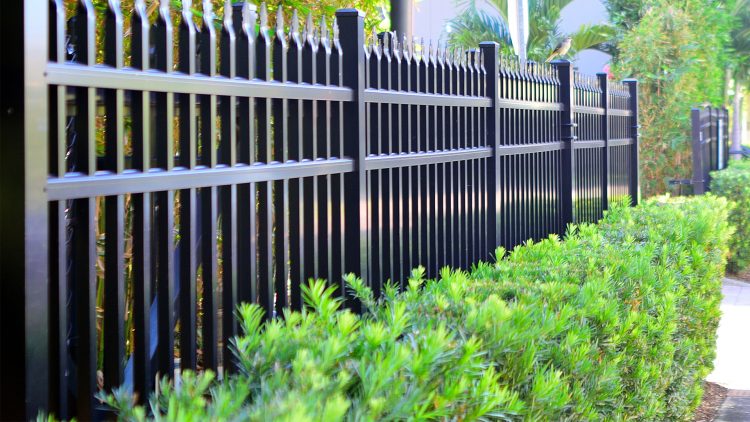
Fence Repair Costs 2022
Surrounding many properties are typically fences. In addition to providing privacy and safety for your home and yard, they also serve as property boundaries. Additionally, they reduce noise from nearby neighbors and traffic. Numerous fences are designed to last for years, but accidents, storms, and normal wear and tear can cause them to deteriorate.
If this occurs, you should have a professional fix your fence. The average national cost to repair a fence is between $200 and $850, with the majority of households spending $500 to replace a broken fence panel. A worn picket can be repaired with sandpaper and basic repairs for a minimal cost of $100. The high cost of this project is $2,500 for substantial storm damage repairs.
Cost of Fence Repair per Foot
The cost of fence repairs depends on a number of variables, including the fence’s type, material, and size. The average homeowner pays between $10 and $50 per linear foot for expert repairs. However, many repair businesses have minimum service call prices and establish rates for specific types of repairs. They will therefore not always charge by the linear foot.
Material Cost to Repair a Fence
When fixing a fence, one of the most crucial items to consider is the fence material. Wood, wrought iron, aluminum, and barbed wire are all viable materials for the construction of fences. Some materials, such as vinyl, are less expensive and simpler to work with, but others, such as barbed wire, are more difficult and costly to repair or replace. The table below lists popular fence materials and their respective average repair costs.
Cost of Vinyl Fence Repair
The cost to repair a vinyl 1 fence is between $200 and $700. Vinyl is one of the least expensive and most popular fence materials. Vinyl is a generally durable material, but it is susceptible to damage from storms, accidents, and impacts, which can result in holes, cracks, and other issues. Additionally, it is normal for vinyl posts or sleeves to get broken and require resetting or repair.
Aluminum Fence Repair Cost
The typical cost to repair an aluminum fence ranges between $250 and $800. Aluminum is the least expensive sort of metal fence to install and maintain, but this fence is typically weaker and less resistant than other metals, such as wrought iron. Aluminum fence panels are susceptible to cracking, denting, and damage. A repairman may be able to weld the damaged piece, but it is more probable that he or she will unbolt, remove, and replace the afflicted panels or patch any minor warping and weathering damage.
Cost of Steel Fence Repair
The price range for repairing a steel fence is between $250 and $850. Steel is a durable, robust, and dependable material for fences, hence steel fences rarely experience excessive general wear and strain. However, sections may be damaged by storms or accidents, and it is routine practice to weld and repaint damaged sections.
Cost of Chain Link Fence Repair
Repairs to chain link fences typically cost between $300 and $600 on average. Popular, resilient, and robust, chain link fences can be used in any environment. They can also endure up to 25 years without significant issues. Common chain link fence repairs include resetting the posts, mending the top rails, and stretching new sections to replace damaged parts.
Price of Iron Fence Repair
Expect to spend between $300 and $1,000 when fixing a wrought iron fence. Installing and repairing wrought iron fencing is the most costly option for metal fencing. When storms or accidents cause severe damage to wrought iron, it must be welded. Since wrought iron fences typically feature decorative patterns and styles, the welding must be performed with care and precision.
Cost of Wood Fence Repair
$400 to $600 is the average cost to repair a wooden fence. Wood is one of the most aesthetically beautiful materials for a fence, as it is available in a variety of hues and grain patterns. Additionally, wood can be stained and painted in a variety of hues. However, wood fences require routine upkeep to prevent decay and insect damage. Exposure to the weather can cause significant deterioration over time, necessitating the replacement of portions or the realignment of posts if they begin to shift out of place.
Cost of Concrete Fence Repair
Expect to spend between $400 and $1,100 to repair a concrete fence. Concrete fences are uncommon on residential properties, yet they remain a favorite choice among certain homeowners because to their durability, solidity, and privacy and security benefits. Concrete is incredibly durable and is typically only broken by catastrophic incidents. When this occurs, new portions of concrete fence must be crafted and installed with care. It is also feasible to have concrete posts in a wooden fence, which may require epoxy 2 repair mortar in the event of damage.
Cost of Stone Fence Repair
Repairing a stone fence costs between $450 and $1,250 on average. Stone is one of the most durable materials for constructing a fence, although it can be damaged by severe storms and weathered over time. If the original stone pieces are damaged, it may be necessary to mortar 3 in new stone pieces.
Cost of Brick Fence Repair
Repairing a brick fence typically costs between $450 and $1,250 on average. Brick, like stone and concrete, is a very strong and durable material, and brick fences give beauty and sophistication to any home. Bricks withstand changing weather and temperatures well, but they can be damaged in accidents and must be re-laid and reset, which can be a laborious and time-consuming process.
Cost of Barbed Wire Fence Repair
The typical cost to repair a barbed wire fence is between $500 and $1,500. Designed for safety and security, barbed wire fences can persist for decades. Accidents, such as a tree branch falling on the wire and crushing a portion of it, or if the poles become rotted or broken may need its repair. Due of the delicate nature of the wire, barbed wire fence repairs might be more expensive than other types of fence repairs. Consequently, you may be obliged to pay a premium for labor due to the inherent danger and level of precision required by the procedure.
Cost of Fence Repair by Type of Fence
The type of fence also influences the cost of fence repair. There are different sorts of fences, including tall privacy fences and picket fences that are typically significantly shorter overall. Some fences can be repaired with less effort and fewer parts, resulting in lower overall expenses.
Cost of Temporary Fence Repair
Repairs to a temporary fence 4 can cost between $100 and $300. Temporary fencing may consist of wire mesh panels, plastic mesh panels, or straightforward metal obstacles. Before rebuilding or erecting a new fence, or while repairs or landscaping are being performed, these temporary fences may be utilized. Tears and other faults may develop in the mesh panels, but since this is a temporary fence, it may be wise to postpone repairs unless absolutely required.
Cost of Electric Fence Repair
On average, professional electric fence repair costs between $100 and $450. Wiring issues that may arise accidently while gardening or landscaping are the most typical issues with this fence. Typically, a specialist in electric fencing is required to resolve the issue and restore broken wires.
Cost of Picket Fence Repair
Between $100 and $500 should be budgeted for picket fence 5 repairs. Often, picket fences are quite short, so there is not much material and repairs are typically minor. They are typically made of wood, however vinyl and other materials can also be used. Due to environmental wear and use, picket fences may require repainting, staining, or repair.
Cost of Lattice Fence Repair
The typical cost to repair a lattice fence is between $250 and $850. This is one of the more ornamental fences, and it can be constructed from vinyl, wood, or metal, among other materials. The unusual pattern of lattice fences allows plants to climb up and around them. Depending on the material, lattice fences may have water damage, rot, dents, or cracks in specific pieces, which must be repaired with care to maintain their pattern and design.
Cost of Split Rail Fence Repair
Expect to spend between $300 and $600 to fix a split rail fence. 6. A split rail fence, also known as a post and rail fence, is a basic and straightforward wooden fence typically found on ranches and agricultural land. Being composed of simple posts and a few rails strung between them, they are useful for covering huge areas of land and for constructing animal enclosures. Pest and water damage may cause problems with the posts and rails over time.
Cost of Shadowbox Fence Repair
Homeowners pay an average of $350 to $700 for shadowbox fence maintenance. A shadowbox fence is a distinctive wooden fence that resembles a picket fence but is considerably taller and has boards that alternate on either side of the rail. As these fences are often constructed from wood, they are susceptible to regular wood problems such as decay and insect infestations.
Cost of Stockade Fence Repair
A stockade fence repair will cost between $350 and $700. A stockade fence consists of close-fitting, side-by-side hardwood planks with no spaces in between. Stockade fences are available in a variety of woods, including spruce and cedar, and they provide adequate privacy. However, similar to other timber fences, they are susceptible to decay and insect damage.
Cost of Privacy Fence Repair
Repairing a privacy fence 7 costs between $400 and $1,250 on average. Typically the largest and tallest fences, privacy fences can be constructed from a variety of materials, including wood, metal, brick, and stone. The fencing material has a significant impact on the ultimate cost, although repairs to privacy fences are typically more labor-intensive and costly due to their size.
Price of Fence Repairs by Type of Repair
Your fence may develop numerous problems over time. Damaged posts, panels, and gates are among the most typical concerns requiring repair. However, your fence may also require repainting, staining, or reinforcement. The table below displays common repair types and their respective average costs.
Cost of Fence Charger Repair
Between $100 and $250 is what homeowners pay for professional electric fence charger repairs. The charger delivers power to the wires of your electric fence, but if it is damaged in any way, problems may emerge. Normal operation may require rewiring, resetting, or altering in some fashion.
Cost of Fence Picket Repair
On average, repairing pickets costs between $100 and $300. Similar to other fence components, pickets can become damaged in a number of ways. They may crack, chip, or develop holes as a result of strikes, storms, or accidents. The material of the pickets affects the price, as wooden pickets are typically less expensive to repair than metal ones.
Cost of Fence Post Repair
Repair costs for a fence post 8 range between $150 and $400. Common fence post issues include tilting and shakiness, which may be caused by faulty installation or soil disturbances. Additionally, they are susceptible to decay, water damage, and termite infestations. They may require resetting or reinforcement to stand upright.
Cost of Fence Panel Repair
On average, professional fence panel repairs cost between $150 and $400. Storms and strong winds frequently cause fence panels to fall, so they may need to be relocated and fastened back into place. In addition, it is usual for panels to have holes and cracks that require filling and patching.
Cost of Fence Gate Repair
Between $150 and $500 is what homeowners pay for gate repairs. The price largely relies on the size and material of the gate. A wooden gate that only requires a small hole to be patched with putty is less expensive to repair than a wrought-iron gate that must be welded back into shape.
Cost of Fence Reinforcement
The cost of reinforcing an existing fence ranges from $200 to $600, depending on the method used and quantity of labor necessary. Wind-resistant fences can be strengthened in a variety of ways, such as by screwing additional wood pieces along the rails or putting concrete around the base of the posts to lock them in place.
Cost of Fence Staining
The cost to stain a fence ranges between $1,000 and $3,000 on average. This is an effective method for revitalizing the appearance of wooden fences. This also creates a barrier against the panels, rails, and posts being damaged by dampness. This can be essential for persons who live in regions with high rainfall or humidity.
Cost of Fence Painting
The average cost to paint a fence ranges from $1,000 and $4,000, depending on its size. Painting a fence is a great method to revitalize it and conceal blemishes and stains. It is also an effective means of protecting wooden fences against the elements and extending their lifespan.
Price of Fence Repair by Type of Replacement
In some instances, your fence’s components may be irreparable. For instance, if a post has deteriorated due to rot or a panel has been shattered by a falling tree branch, repairs are typically not possible and these components must be removed and replaced. Replacement of components is typically more expensive due to higher material costs. Below is a table containing examples of popular fence replacements.
Replace Fencing Boards
Replacement of fence pickets costs between $150 and $350. Pickets are available in a variety of materials, including as vinyl, wood, and metal. Vinyl pickets are typically far less expensive than metal pickets, therefore the material used affects the price. Additionally, it is typically more difficult to repair metal pickets because they may need to be welded into place.
Replacement Transformer for Electric Fence
Installing a new transformer for your electric fence costs between $150 and $350. The pricing largely depends on the type of transformer you require. Installation is simple and may be completed in less than an hour, but material costs vary based on the transformer’s required strength.
Pool Fence Replacement Mesh
The cost to replace the mesh in a pool fence ranges between $200 and $400. Numerous pool fences are constructed using basic vinyl mesh to allow light to pass through while maintaining a barrier. If someone or something falls into the mesh, it may become damaged or ripped. Replacement is the recommended line of action when this occurs.
Fence Post Replacement Cost
To replace a fence post will cost between $200 and $500. If fence posts are severely damaged due to rot, storm damage, accidents, or termites, they may need to be replaced. When the damage is too severe to be repaired, contractors typically advise replacement.
Price of Replacing Fence Panels
Replacement fence panels cost from $200 and $750, primarily dependent on the panel’s type, material, and size. A basic vinyl panel is significantly less expensive to replace than an intricately crafted section of wrought iron fence. Typically, fence panels are only required to be changed if they sustain severe damage.
Cost of Fence Gate Replacement
Depending on the style of gate, the average cost to replace a fence gate ranges from $200 to $800. If you have a straightforward wooden gate, the material costs and installation time should be low. The price of a huge ornate wrought iron gate might be significantly greater.
Cost to Repair a Fence by Problem Type
Numerous problems may emerge with your fence, and the cost of repairs will vary depending on the nature of the issue. Compared to fixing a fence ravaged by a severe storm, mending a small hole is both less expensive and less difficult. The chart below details common fence issues and the average cost to repair them.
Damage to a Fence
The cost to repair a hole in your fence ranges from $100 to $400, depending on the size of the hole and the fencing type. Wooden fences with small cracks can be fixed with putty and sanded to appear brand new. However, larger holes in more costly fences, such as brick fences, may require additional materials and labor to fix.
Repair Loose Fence Post
Repairing a wobbly fence post costs between $150 and $500. Posts may be loose or unsteady as a result of faulty installation or, potentially, weakness or damage at the base. If your post is still solid and unbroken, a professional may need to dig around it and reset it in a stable, upright position. If it has been damaged by rot or insects, it may need to be completely replaced.
Repair of Cracked Fence Posts
Cracked fence posts cost between $150 and $500 to fix for homeowners. Numerous factors, such as storm damage, strong impacts, and weathering, can cause cracks in posts. If your post is built of concrete, the damaged area may be possible to be patched or coated with glue or mortar. In other circumstances, a replacement may be necessary.
Cost of Leaning Fence Repair
The typical cost to repair a leaning fence is between $200 and $800. Typically, sagging fences are the result of faulty installation or post deterioration. In more severe cases, however, decay or pest infestations may be the cause of a leaning fence. Since parts must be removed and replaced, this might be a more expensive repair operation.
Rusty Fencing
The cost to repair a rusting fence ranges from $250 to $1,000. Rust can be a problem for chain link and wrought iron fences. Excessive exposure to moisture and the elements causes it. Due to the high saline levels in the air, people who live near the beach may see rusted fences more frequently. In some instances, rusty areas can be polished or treated with a neutralizer before being painted. In other instances, if the rust is extensive and severe, pieces must be replaced.
Corroded Fence
Depending on the extent of the damage, fence rot repairs run from $300 to $1,000. Rot develops in wooden fences owing to excessive moisture, and it is usual for the bases of wooden posts to rot since they are constantly in contact with the soil, exposing them to a great deal of moisture. In rare circumstances, rotting sections can be removed and the remainder of the structure can remain intact, but sometimes, rotted areas must be completely replaced.
Storm Damage Restoration
The cost to repair storm damage to your fence is between $300 and $2,500, depending on the amount of the damage. Some storms can wreak havoc on fences. For instance, tree branches can fall and damage entire portions, or large objects can be blown into the panels and knock them down. Alternatively, if your fence is sturdy and fortified, the damage may be modest and can be repaired with simple patching and new screws or nails in the affected sections.
Cost of Repairing a Fence
Fence repair labor expenses range from $50 to $200 per hour. A handyman may price towards the bottom of this range, whereas fence repair specialists may charge more. Many repair workers have minimum fees or call-out rates between $75 and $100, but if you employ them to fix your fence, these expenses may be waived. Variable time is required to repair fences. Some tasks, like as fixing holes or replacing a few boards or pickets, can be completed quickly, whereas repainting, staining, or reinforcing big portions can take many hours.
Fence Repair Expenses by Location
The location of your fence may also effect the cost of fence repair. There are fences in numerous locations on a home, including the front yard, backyard, decks, and pool areas. The chart below lists frequent areas where you might locate a fence, as well as the average repair expenses for each of these common locations.
Cost of Pool Fence Repair
$200 to $850 is the average cost of fixing a pool fence. Pool fences are typically made of chain link, vinyl, or metal, and they are not typically extremely large or intricately designed, thus they are frequently among the least expensive to repair. Typical difficulties with a pool fence include fading, cracks, and dents caused by accidents.
Cost of Deck Fence Repair
A deck fence repair could cost between $200 and $850. Commonly, deck fences are made of wood to match the rest of the deck, but vinyl or metal deck fences are also available. Common problems with these fences include rust, water damage, and breaks caused by deck mishaps.
Cost of Balcony Fence Repair
A balcony repair typically costs between $200 and $1,000. Typically, balcony fences are tiny, reducing repair costs. Due to their elevated placements, they are unlikely to encounter too many difficulties. However, they can be destroyed by storms, and many people have metal balcony fences that must be welded when they are broken. Additionally, certain balcony fences may be difficult to access, hence increasing the labor costs associated with repairs.
Cost of Backyard Fence Repair
The average cost to repair a backyard fence ranges from $200 to $1,250, depending on the material of the fence. The variety of backyard fences is vast, ranging from inexpensive and simple vinyl fences to elaborate wrought iron fences and concrete privacy fences. Numerous problems may emerge with them, such as rotted timber supports and broken metal panels.
Cost of Front Yard Fence Repair
Expect to spend between $200 and $1,250 on repairs to your front yard fence. Like backyard fences, front yard fences come in a variety of styles, heights, and materials, from picket fences made of wood to tall masonry walls with wrought iron gates. Materials and type of repair are the primary determinants of repair costs.
Reasons for Fence Repair
There are numerous reasons to repair a fence, and fences experience a variety of challenges throughout time. Broken panels, tilting or shaky poles, and falling panels are among the most serious issues. Also, storms frequently damage fences. Large cracks and holes in parts of a fence should be repaired, and if you find symptoms of decay or termite damage in a wooden fence, immediate repairs are necessary. Additionally, missing boards and pickets must be replaced.
Emergency Fence Maintenance
There may be occasions when emergency fence repairs are necessary. Examples include panels falling over or a broken transformer or damaged wires on an electric fence for animals. Numerous repair firms and independent contractors offer same-day emergency repair services for an additional $100 to $200.
Fence Maintenance
There are numerous ways for homeowners to maintain their fences in order to avoid costly repairs and replacements. For instance, it is recommended to regularly inspect your fence for signs of damage.
Examine the posts and panels for cracks, rot, water damage, dents, and breaks, and if you discover any, take immediate action. The longer you wait, the worse problems might grow, particularly water and insect damage.
Additionally, it is prudent to often clean your fence with a pressure washer to prevent dirt from accumulating and deteriorating the components. However, if you have a wooden fence, be careful with the settings because too much water or pressure could harm it.
Examine the vegetation surrounding your fence and cut any bushes or trees that are too close and could cause harm during a storm. Also, remove large and heavy objects from your yard and outdoor areas before a storm to prevent them from being blown into your fence.
Compared to Fence Replacement
When faced with expensive fence repairs, many homeowners waver between repairing or replacing their fence. Weigh the costs and benefits of each option. If your fence is old, broken, and requires frequent costly repairs, it may be more economical to replace it. It costs between $1,500 and $10,000 to replace a fence, depending on its size, location, and materials.
Typically, fences survive between 10 and 20 years, depending on the material. Therefore, if your current fence is at least 10 years old, it may be time to replace it. However, with proper upkeep and care, fences can last for many years. It may not be necessary to replace your fence if it is still in good shape and requires only minor repairs.
Costs of Enhancement and Improvement
Power-Wash a Fence
Between $125 and $235 is the price range for pressure washing a fence. This is an effective method for revitalizing an old fence, since it swiftly removes years of filth and grime. Before staining or sealing fences, it is also prudent to clean them with pressure.
Enhance the Wind Resistance of a Fence
If your region is prone to heavy winds, it may be prudent to invest in a wind-resistant fence. You can spend an additional $10 to $25 per linear foot for this fence, or you can pay $200 to $500 for reinforcement services to enhance the wind resistance of your existing fence.