
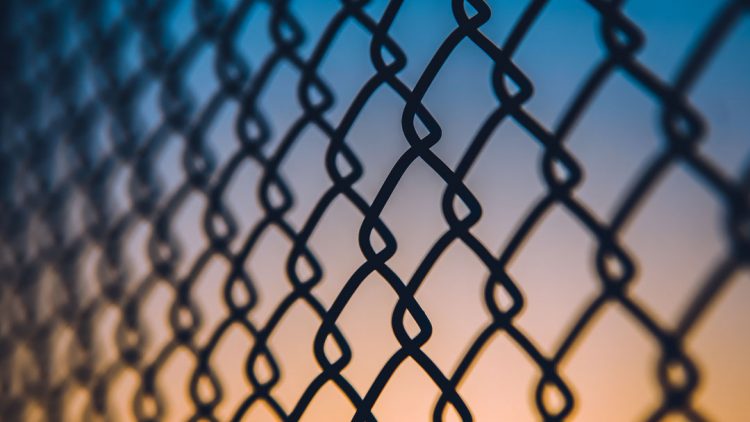
Chain Link Fence Frequently Asked Questions
Written by Craig B

Residential Chain Link Fences – Costs Pros and Cons, Phoenix, AZ 2025

Here is a breakdown of chain link fences from All Pro Fence, AZ. We will look at the costs of chain link fencing in the Phoenix area as well as the pros and cons so you can give us a call and make the best decisions for yourself. Read on to learn more.

Costs in Phoenix

Chain‐link is one of the more economical fencing options here in the Valley, but costs vary a lot depending on height, coatings, gate size, and site conditions. Some key figures:

  • Typical cost for a chain link fence in Phoenix: $8–$40 per linear foot for installed fence, depending heavily on height and finish. AZ Fencing

  • Average overall cost for a yard‐fence project tends to run between $3,000 and $9,000 depending on length, gates, terrain etc. AZ Fencing

  • For a standard 4-foot chain link, with no fancy extras, expect something around $13.16/linear foot as an average in Arizona. All Pro Fence AZ

  • If you add privacy slats, vinyl‐coating, taller panels (5-6 ft or more), or a large driveway gate, that number climbs significantly. Gates alone can cost several hundred dollars (a simple walk‐through gate vs. a bigger driveway or sliding gate). All Pro Fence AZ+2 Home Advisor+2

Also keep in mind: Phoenix has caliche soil, permit requirements, and sometimes sloped or uneven terrain, all of which can increase labor. Angi

Pros (What Makes Chain Link Good in Phoenix)

Here’s where chain link shines — especially given our climate, budget concerns, and desert environment.

  1. Lower cost / value for money
    It’s almost always cheaper per linear foot than wood, vinyl, decorative metal, or wrought iron. If you need a long run or want to fence a big area without breaking the bank, chain link is hard to beat. AZ Fencing+2 Home Advisor+2

  2. Durability & climate resilience
    The galvanized steel versions resist rust and corrosion, and vinyl-coated mesh gives extra protection against the intense sun, occasional monsoon rains, and high temps. Doesn’t swell, warp, or crack like wood or some plastics can. Fence AZ+2 Beitzell Fence+2

  3. Low maintenance
    Once it’s in, there’s very little you need to do. Wash off dust, check for loose posts or damage from branches, and maybe touch up coatings or replace a section if needed. No staining or sealing like wood. Fence AZ+1

  4. Good security & visibility
    You get a solid barrier vs trespassers or animals, but still visibility through the fence. That visibility can help with safety (seeing what’s going on outside your yard) and helps your property not feel closed in. Also flexibility (you can install higher panels, add barbed wire if needed, etc.) All Pro Fence AZ+2 Beitzell Fence+2

  5. Fast installation
    With the right crew (and if the terrain is manageable), a chain link fence can be put up relatively quickly. Less custom carpentry, fewer specialty pieces, so fewer surprises and delays. All Pro Fence AZ+1

Cons (What to Watch Out For)

Not everything’s perfect, and for some people chain link might fall short depending on what’s most important. Here are the trade-offs.

  1. Privacy is minimal
    Unless you add slats, screening, or some other modification, a chain link fence is pretty much see-through. If your yard is exposed, or if you want a private backyard, that’s a downside. Fixr+2 All Pro Fence AZ+2

  2. Aesthetic limitations
    Some folks don’t love the industrial look. Even with vinyl coating or colored mesh, chain link doesn’t always have the same “warmth” or visual appeal as wood or decorative metal. If curb appeal is a priority (especially in front yards), that’s something to factor in. Beitzell Fence+1

  3. Potential for rust or damage over time
    Though galvanized or vinyl-coated chain link is pretty resistant, it’s not invincible. UV exposure, scratches in the coating, or damage from landscaping can lead to corrosion. Also, copper or salt in soil or water (rare here, but possible) can speed things up. Beitzell Fence+1

  4. Climbing and cut vulnerability
    The open weave can sometimes be easier to climb than more solid fence types. Also, the wire can be cut if someone is determined. For higher security, thicker gauge wire, tighter mesh, or additional deterrents might be needed. Beitzell Fence

  5. HOA / codes / permits
    Some neighborhoods or homeowners’ associations have rules against chain link fences (especially in front yards), or they might specify height limits, type/color, etc. Also, permitting in Phoenix can add cost & time. Angi+2 AZ Fencing+2

  6. Heat / warping of accessories
    The metal gets hot. If you’re touching gates or hardware, that might be a consideration. Vinyl slats or colored coatings sometimes fade under strong sunlight. Also, ground settling and expansion/contraction of metal could affect tension or alignment with time. (Not massive issues, but real.)

What We at All-ProFenceAZ Recommend / Common Scenarios

To give you some direction — here are situations where chain link tends to be a smart pick, and when you might want to consider something else.

  • If your goal is security, pet containment, or marking property lines vs showing off, chain link often is ideal.

  • If you’ve got a long perimeter, or want a fence now but might upgrade later, chain link gets you started affordably.

  • If privacy is important (backyards, patios), consider chain link plus privacy slats or pairing with landscaping (shrubs, vines) to create visual screening.

  • If you have an HOA or want high curb appeal, check their rules first. Sometimes colored or vinyl-coated chain link is acceptable and blends in better; sometimes even then it’s disallowed.

  • Think about coatings: vinyl-coated versus just galvanized. In our hot Arizona sun, the extra cost for vinyl coating often pays off in longer life and better appearance.

  • Gates: size, operation (manual vs sliding/automatic), material make a big difference. Budget extra for quality hardware, hinges, and proper installation so gates maintain function over time.

Bottom Line

Chain link fencing offers excellent bang for the buck in Phoenix: relatively low cost, quick install, minimal maintenance, good longevity. It has trade offs — chiefly in privacy and appearance — but depending on your priorities, it can be a great solution. For many homeowners, the cost savings vs wood or vinyl, plus desert-friendly durability, make it the go-to fence type.

Residential and Commercial Fencing Mesa | Construction – Special Events – 24 Hour Emergency Fencing Phoenix

Chain Link Fence Frequently Asked Questions
Written by Craig B

Residential Chain Link Fence Pro’s and Con’s

Chain link fences are a popular choice for residential properties due to their affordability, durability, and ease of installation. Here’s a breakdown of the pros and cons to help you decide if it’s the right choice for your needs.

Pros of Chain Link Fences

  1. Affordability: Chain link fences are one of the most cost-effective fencing options, making them a popular choice for homeowners on a budget.
  2. Durability: These fences are typically made from galvanized steel, which resists corrosion, rust, and wear, especially if coated. They withstand various weather conditions and can last for decades with minimal maintenance.
  3. Low Maintenance: Unlike wooden fences, chain link requires minimal upkeep. Occasional cleaning and minor repairs, like replacing a damaged section, are usually all that’s needed.
  4. Easy Installation: Chain link fences are straightforward to install and can be set up relatively quickly, especially with professional assistance.
  5. Visibility: The open weave provides visibility through the fence, making it easy to see beyond your property, which can help monitor kids or pets. It also means it won’t block natural light.
  6. Security: Chain link fences provide a moderate level of security, especially if installed at a higher height. They act as a barrier to deter intruders and can be modified with additional security features like barbed wire.
  7. Variety of Options: Chain link fences come in different gauges (thickness) and heights. They can also be coated in various colors (such as black or green) to blend in with landscaping or enhance curb appeal.

Cons of Chain Link Fences

  1. Lack of Privacy: Chain link fences offer little to no privacy due to their open design. This can be mitigated by adding privacy slats or using a privacy screen, but it may reduce the aesthetic appeal.
  2. Aesthetics: While functional, chain link fences are often considered less attractive than other types of fencing, such as wood, vinyl, or ornamental metal. Some homeowners feel they give a more industrial or utilitarian look.
  3. Potential for Rust and Corrosion: Although galvanized and coated, chain link fences can still corrode over time, especially in coastal areas where salt exposure is high.
  4. Limited Sound Barrier: Unlike wooden or vinyl fences, chain link fences do not significantly reduce noise, so they might not be ideal for homes near busy streets or noisy neighbors.
  5. Security Limitations: While chain link fences provide a deterrent, they can still be relatively easy to climb, especially if they’re lower in height. They offer less security compared to taller, solid-panel fencing options.
  6. Can Deteriorate in Appearance: Chain link fences can show wear over time, especially in areas with extreme weather. If the fence becomes bent, sagging, or rusty, it may detract from curb appeal.

Chain link fences are a practical, budget-friendly choice for homeowners seeking a durable, low-maintenance fencing option that offers security without blocking views. However, they lack privacy, can be less aesthetically pleasing, and provide limited sound insulation. Consider your specific needs (privacy, budget, aesthetics, etc.) when deciding if a chain link fence is the best option for your property.

How Long Do Chain Link Fences Last?

Chain link fences typically last between 15 to 20 years, although with proper care, they can sometimes last up to 30 years or more. The lifespan of a chain link fence depends on several factors:

  1. Material Quality: Fences made from high-quality, galvanized steel with a vinyl or powder coating resist rust and corrosion better, extending their lifespan.
  2. Coating: A vinyl or powder coating adds a protective layer to the metal, further protecting it from rust and corrosion. Coated chain link fences tend to last longer than bare metal.
  3. Climate: Extreme weather conditions, like heavy rain, snow, salt exposure, and high humidity, can reduce the lifespan. Coastal areas, in particular, may lead to faster corrosion.
  4. Maintenance: Regular maintenance, like cleaning, checking for rust, and repairing damage promptly, can add years to a chain link fence’s life. Removing debris, especially from the base, also helps prevent rusting at ground level.
  5. Installation Quality: Proper installation, including setting the posts deeply and securely in concrete, ensures the fence remains sturdy over time.

With good-quality materials and regular upkeep, chain link fences are a durable choice and can protect and serve your property for decades.

Can I Paint A Chain Link Fence?

Yes, you can paint a chain link fence, and it’s a great way to refresh its appearance and protect it from rust. Here’s a step-by-step guide to painting a chain link fence effectively:

Steps to Paint a Chain Link Fence

  1. Choose the Right Paint:
    • Use a rust-inhibiting metal paint that’s weatherproof and designed for outdoor use.
    • Spray paint or brush-on paint both work, but spray paint provides faster, more even coverage for the mesh.
  2. Clean the Fence:
    • Remove dirt, rust, and debris from the fence. Use a wire brush to scrape off any loose rust or old paint.
    • Wash the fence with water and soap or a degreaser, and let it dry completely. A power washer is also effective.
  3. Apply Primer (optional but recommended):
    • Use a primer for metal surfaces, especially if there’s rust. A primer will help the paint adhere better and increase durability.
    • Let the primer dry thoroughly according to the manufacturer’s instructions.
  4. Paint the Fence:
    • Use a spray gun or paintbrush. Spray painting is faster and can get into the small links easily, though it might require more paint.
    • Apply at least two thin coats, allowing each coat to dry completely.
  5. Let it Dry:
    • Allow at least 24 hours for the paint to dry completely before touching the fence or exposing it to heavy moisture.

Tips for a Good Finish

  • Choose a Weather-Friendly Day: Paint in mild, dry weather for the best results.
  • Protect Surroundings: Place a drop cloth or cardboard around the fence area to catch any overspray.
  • Use a Stepladder if needed to reach all parts of the fence evenly.

Painting a chain link fence can enhance its appearance, provide extra rust protection, and make it blend better with your landscaping.

Residential and Commercial Fencing Mesa | Construction – Special Events – 24 Hour Emergency Fencing Phoenix